
Will the Colonies Declare Independence?
Odds:0%Thirteen quarreling colonies, with no army, no navy, and no treasury, face the most powerful empire on earth. Moderates beg for reconciliation. To declare is treason, and almost certainly a war they cannot win.
“To brave the storm in a skiff made of paper.”
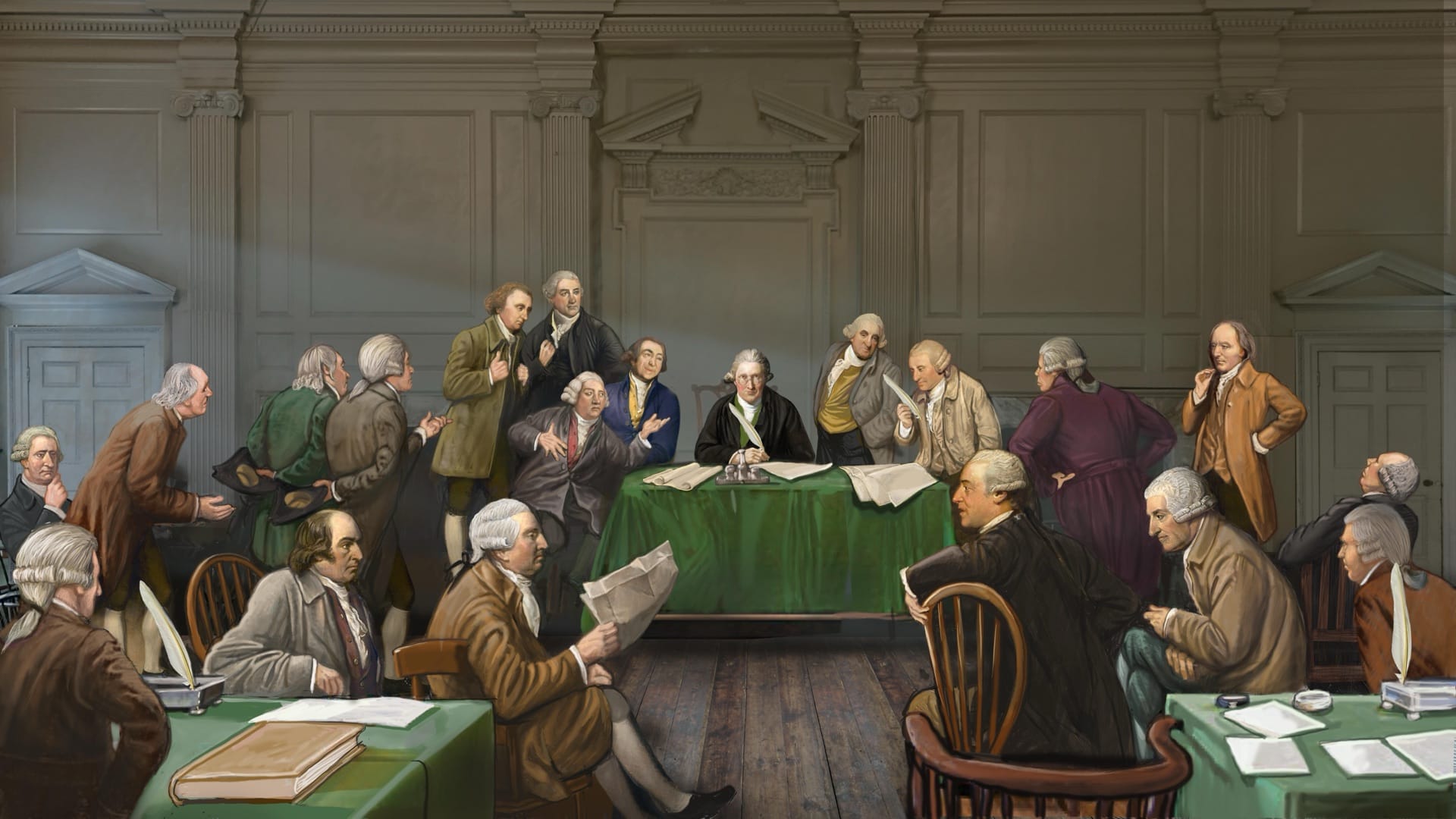
A New Nation Is Born
Odds:0%On July 4, 1776, the Continental Congress adopts the Declaration. Fifty-six men sign their names to treason, pledging their lives, their fortunes, and their sacred honor. Thirteen colonies become the United States.
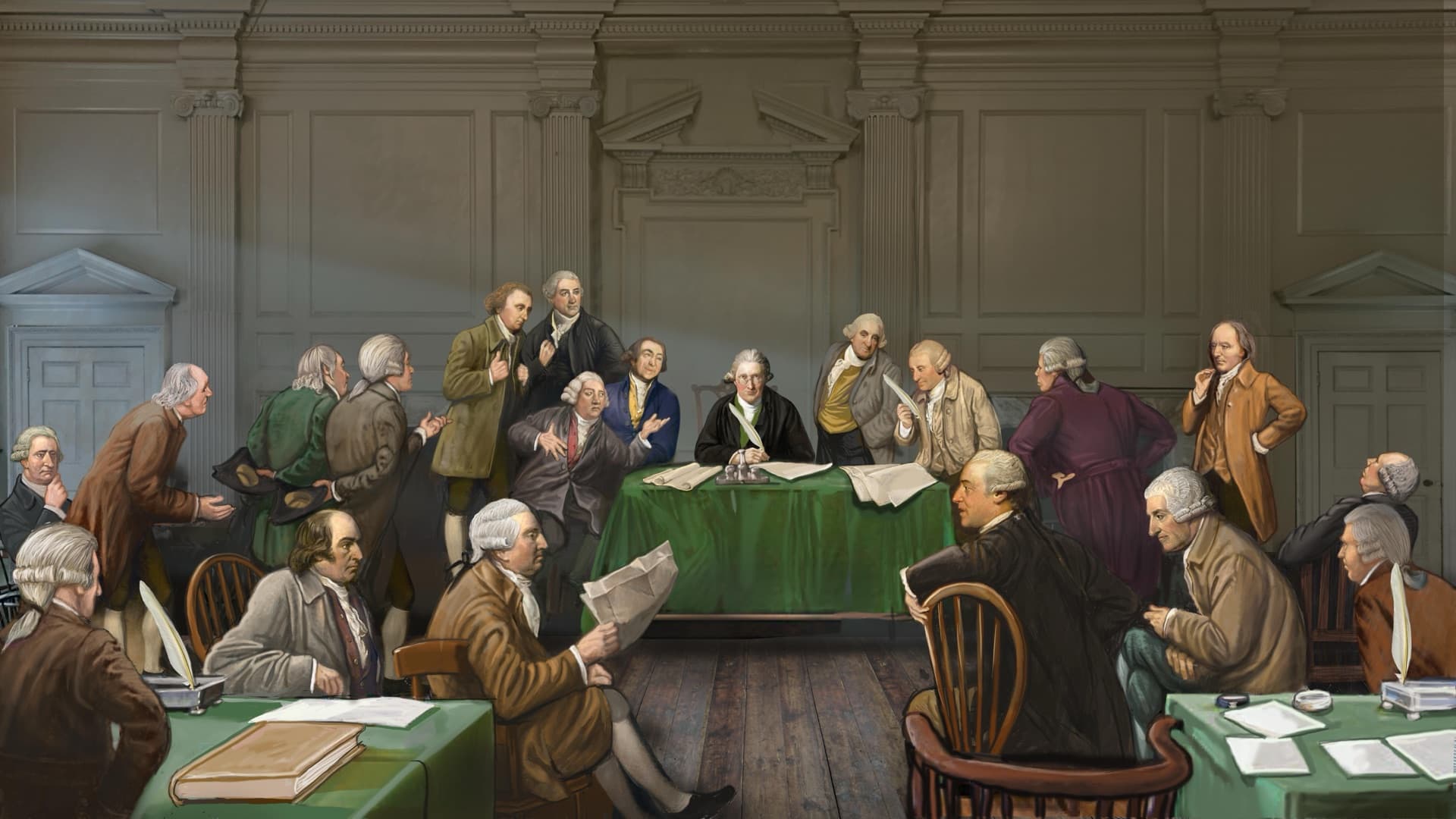
Illustration by Bob Venables for Kalshi
Will America Double in Size Through the Louisiana Purchase?
Odds:0%Jefferson can buy a continent from Napoleon, but the Constitution gives him no power to do it, and his own party recoils. The price is fifteen million dollars the young nation does not have, for a wilderness no one has mapped.
“We are to give money of which we have too little, for land of which we already have too much.”
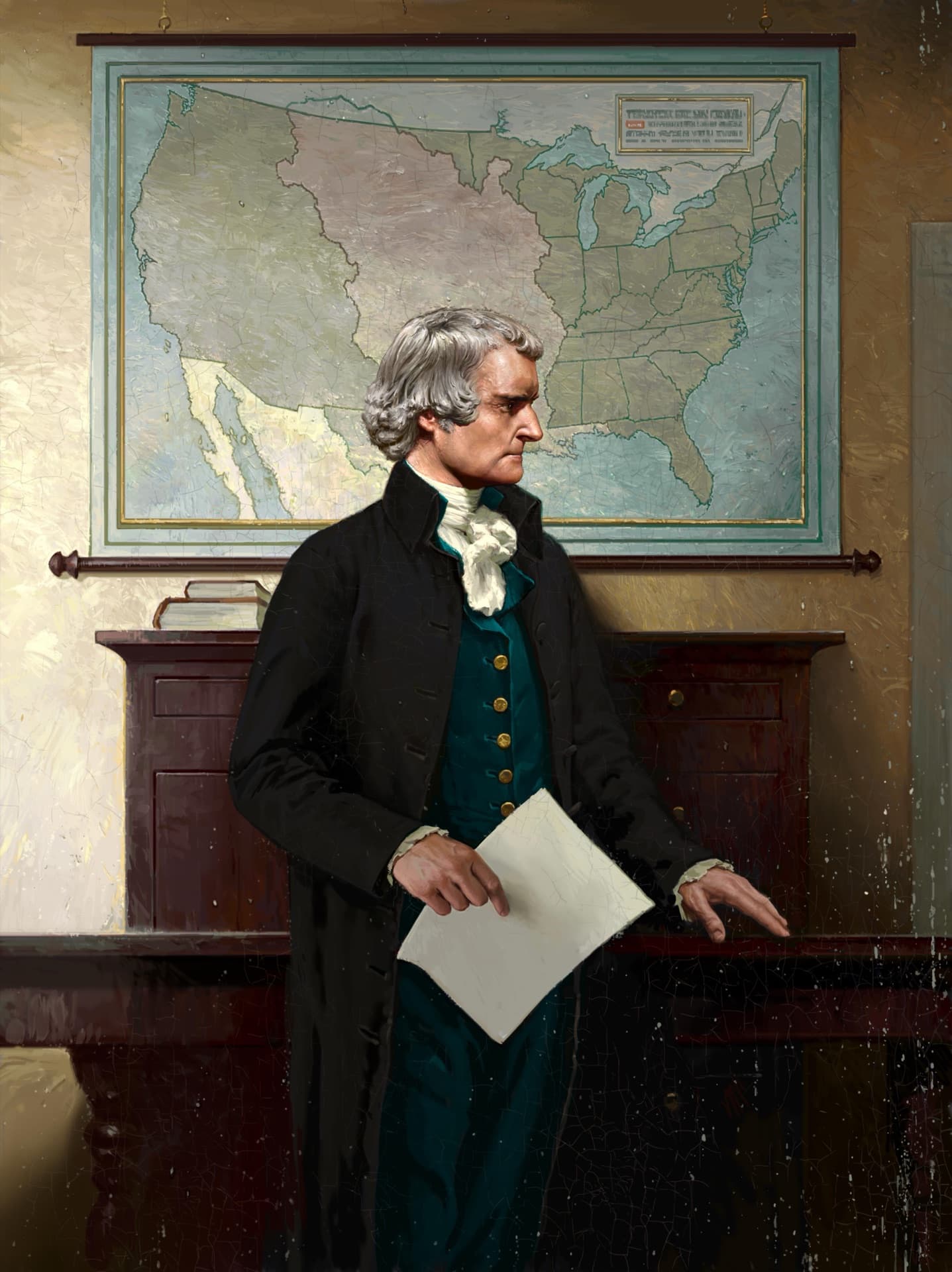
America Doubles Overnight
Odds:0%On December 20, 1803, the United States takes possession of 828,000 square miles for about three cents an acre. The nation doubles in size in a single stroke, in the greatest land deal in history.
Illustration by Angelo Rinaldi for Kalshi
Will an Expedition Reach the Pacific by Land?
Odds:0%Jefferson sends thirty-three men to walk into a blank space on the map, searching for a route to the Pacific that may not exist. They carry no way to call for help, and no one knows if they will ever be heard from again.
“The length of time without hearing of you had begun to be felt awfully.”
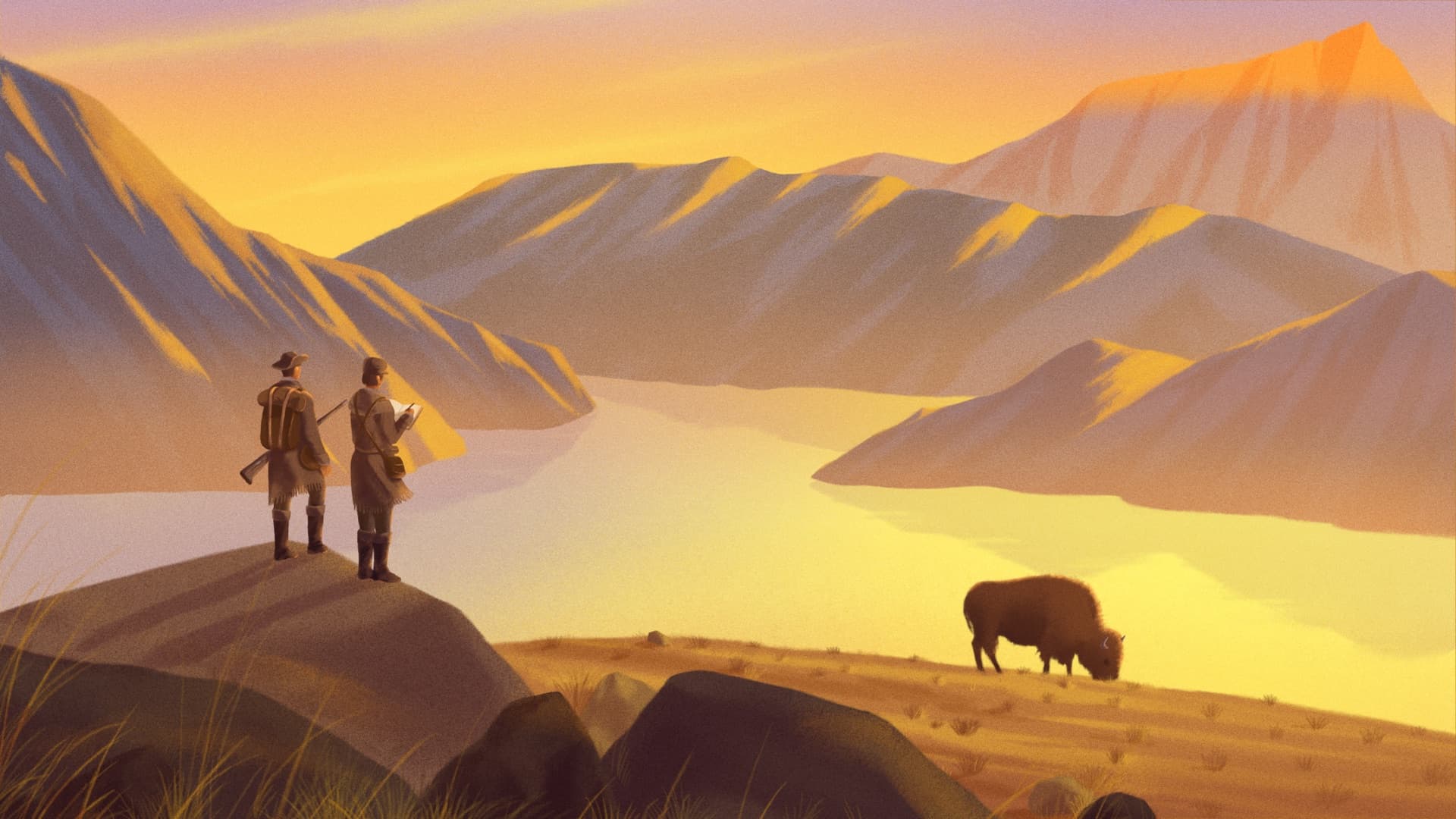
Coast to Coast, and Back
Odds:0%In November 1805, the Corps of Discovery reaches the Pacific. They winter on the coast and turn for home, arriving in St. Louis in September 1806 after two years and roughly 8,000 miles. Only one man was lost the entire way.
Illustration by Grace J. Kim for Kalshi
Will a Railroad Connect the Atlantic and Pacific?
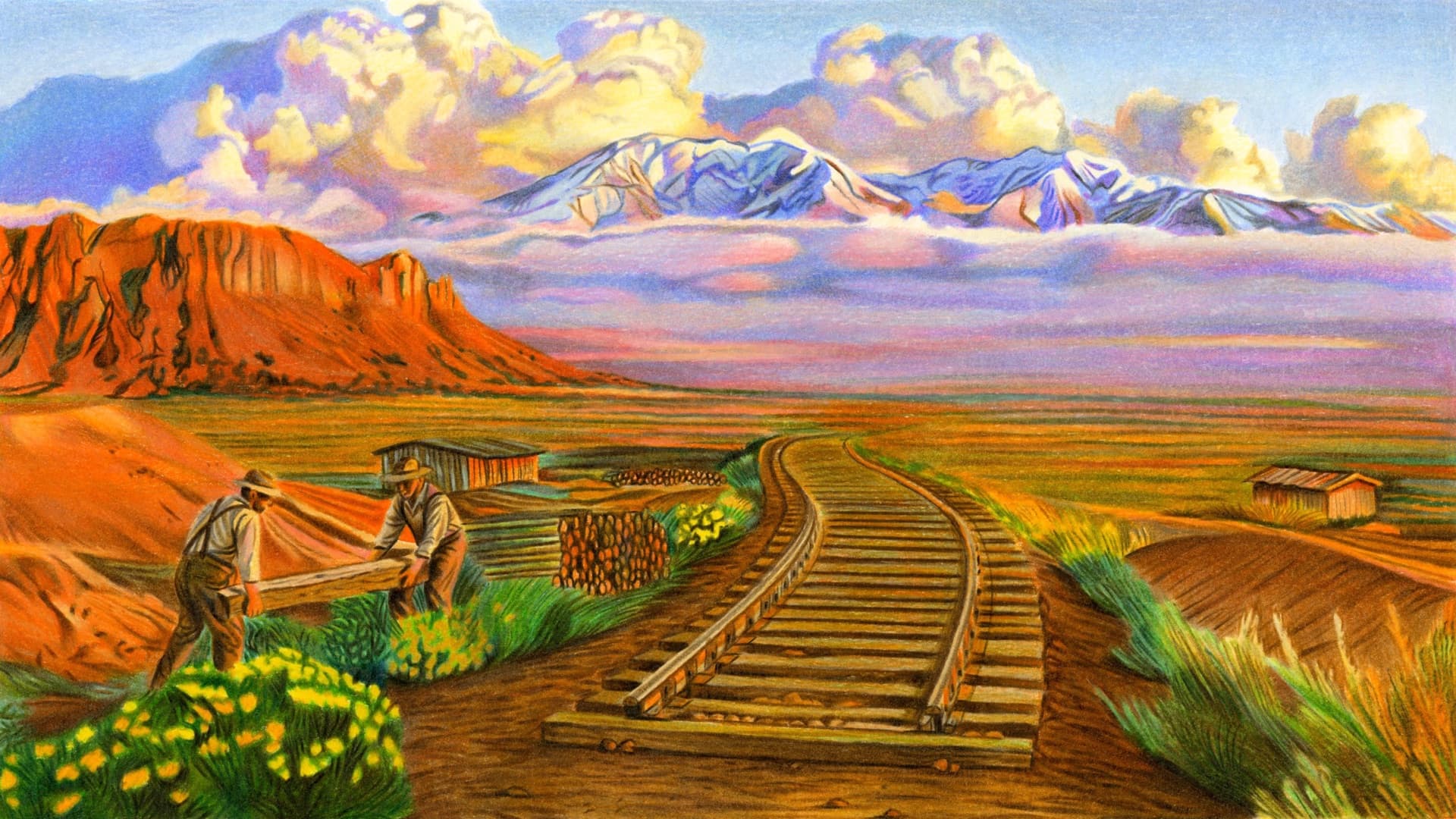
Odds:0%To join the coasts, crews must blast tunnels through the granite of the Sierra Nevada and lay track across deserts and plains, a feat never attempted in America. Most call its champion ‘Crazy Judah.’
“Failure was clearly written on the granite walls of the Sierra Nevada.”
The Rails Meet at Last
Odds:0%On May 10, 1869, at Promontory Summit, Utah, a golden spike joins the Central Pacific and Union Pacific. A journey that once took months now takes a week. The continent is bound together by rail.
Illustration by Laura Ottone for Kalshi
Will Electric Light Replace the Flame?
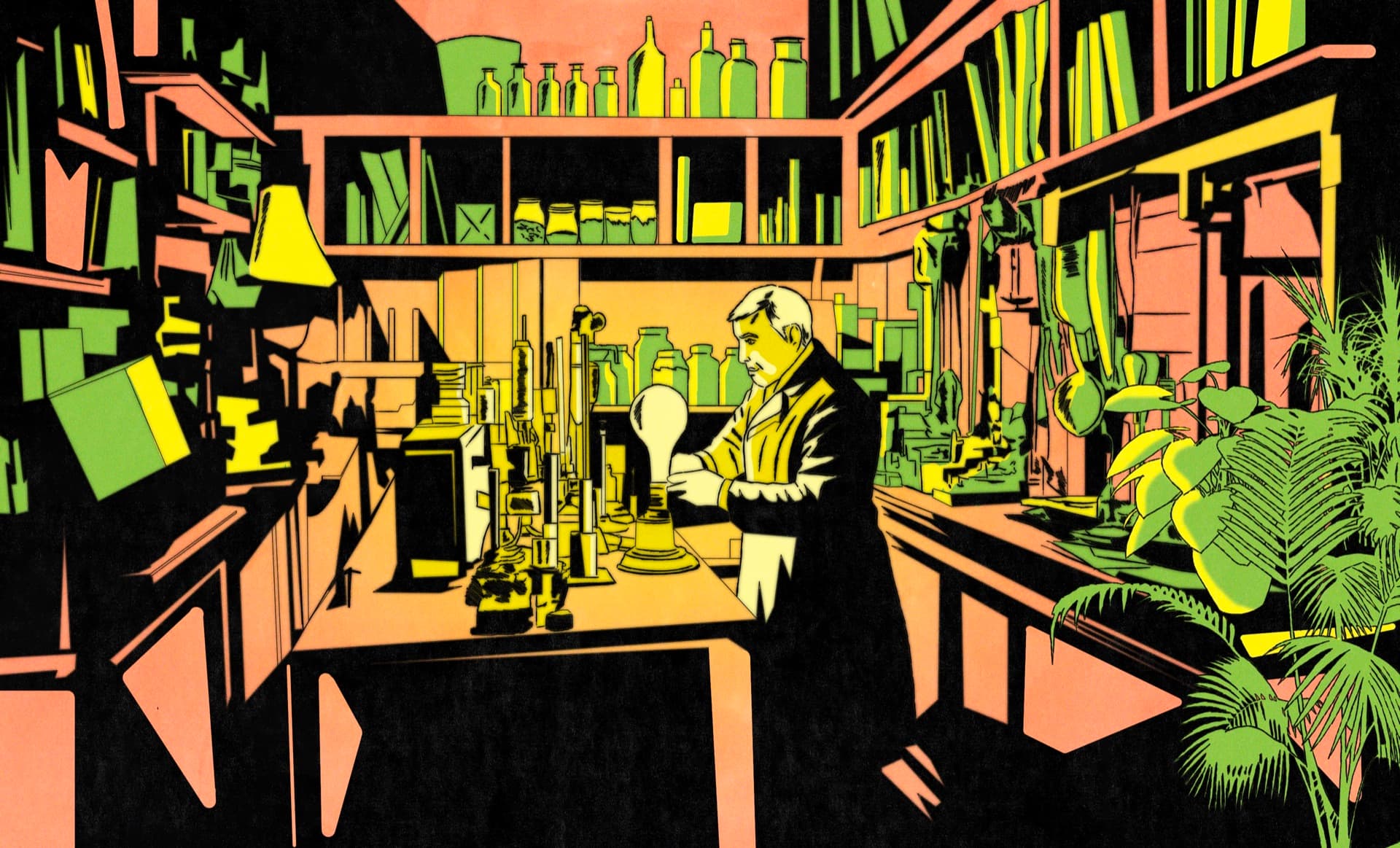
Odds:0%For all of human history, night has meant fire — candles, gas, and flame. Edison promises to light homes with a glowing wire, and the experts of two continents are certain it will never be practical.
“Good enough for our transatlantic friends … but unworthy of the attention of practical or scientific men.”
The Night Is Switched On
Odds:0%On December 31, 1879, Edison lights up Menlo Park for the public, his bulbs burning steadily through the cold. Within a few years the incandescent lamp wires the modern world, and the age of fire ends.
Illustration by Marie Mohanna for Kalshi
Will Powered Flight Become Reality?
Odds:0%For over a century, every serious attempt had ended in wreckage. Days before, the favorite, Samuel Langley, drops his machine into the Potomac. Newspapers and Congress write powered flight off, for good, as fantasy.
“The flying machine which will really fly might be evolved … in from one million to ten million years.”
Man Conquers the Air
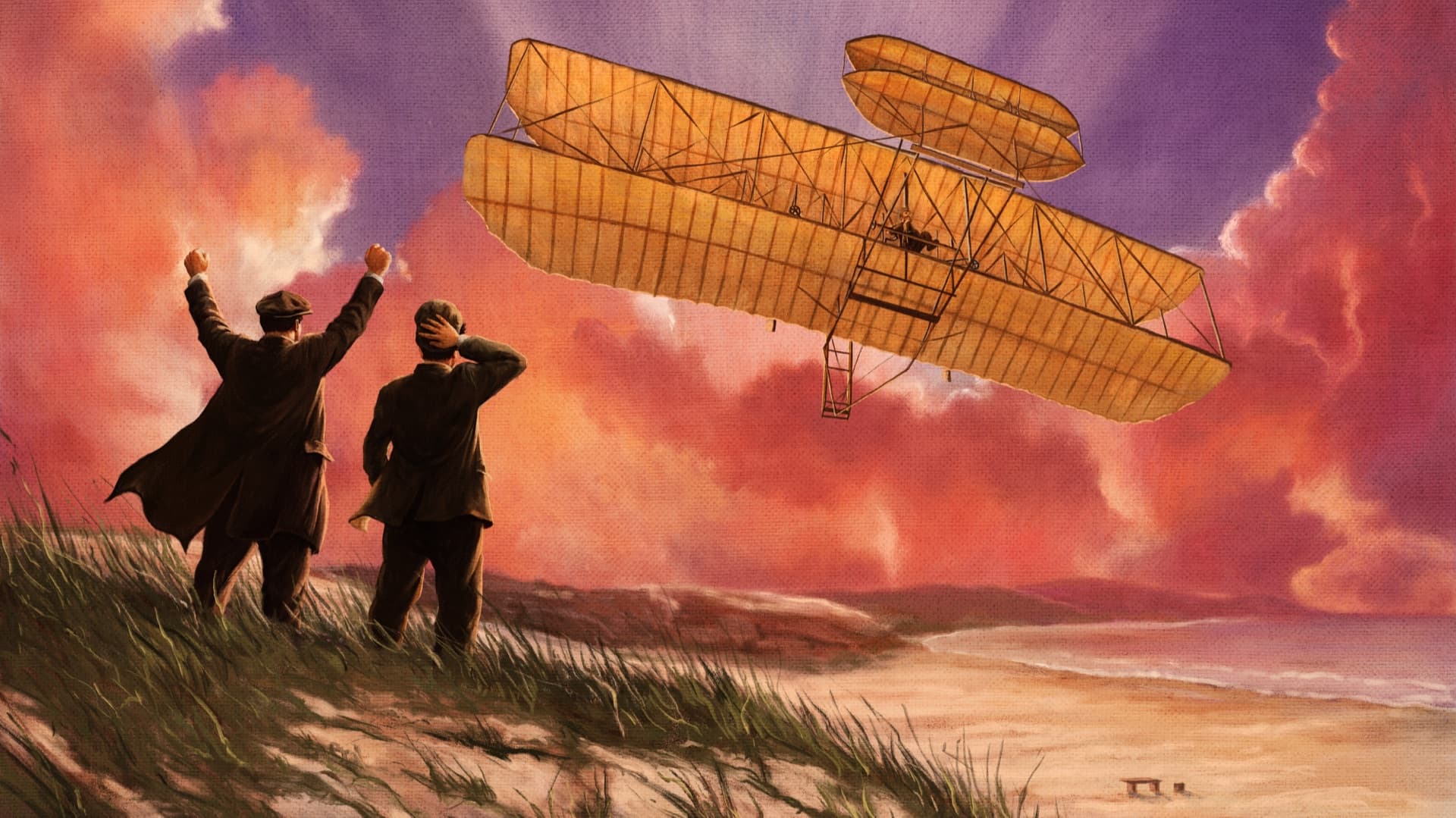
Odds:0%At 10:35 a.m. on December 17, 1903, Orville Wright lifts off the sand at Kitty Hawk. By the fourth flight, the longest covers 852 feet. Nine days after Langley's last crash, two bicycle makers from Ohio have done it.
Illustration by Diego Abreu for Kalshi
Will the Automobile Become America's Next Revolution?
Odds:0%The automobile is a rich man's toy: loud, unreliable, and far too expensive for ordinary families. The smart money says it is a passing fad, and the horse is here to stay.
“The horse is here to stay, but the automobile is only a novelty — a fad.”
America Takes the Wheel
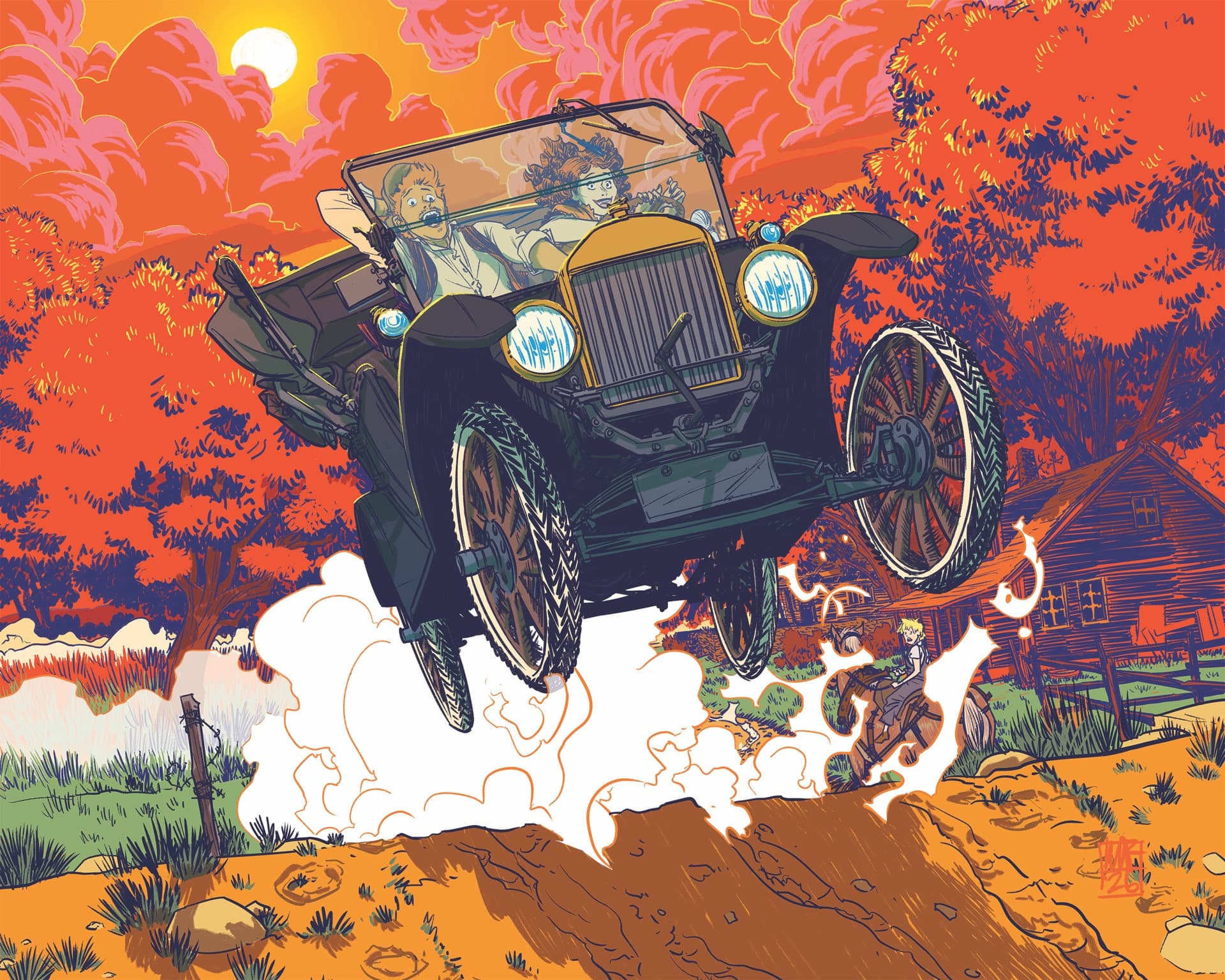
Odds:0%In 1908, Ford introduces the Model T at a price working families can afford. The moving assembly line follows, and within two decades America builds millions of cars. The nation is put on wheels for good.
Illustration by Nathan Fox for Kalshi
Will a Human Break the Sound Barrier?
Odds:0%Pilots pushing toward the speed of sound report controls locking and aircraft shaking apart. Many believe an invisible wall waits at Mach 1, and that any plane that reaches it will simply disintegrate.
“As if you'd hit a brick wall in the sky.”
The Barrier Shatters
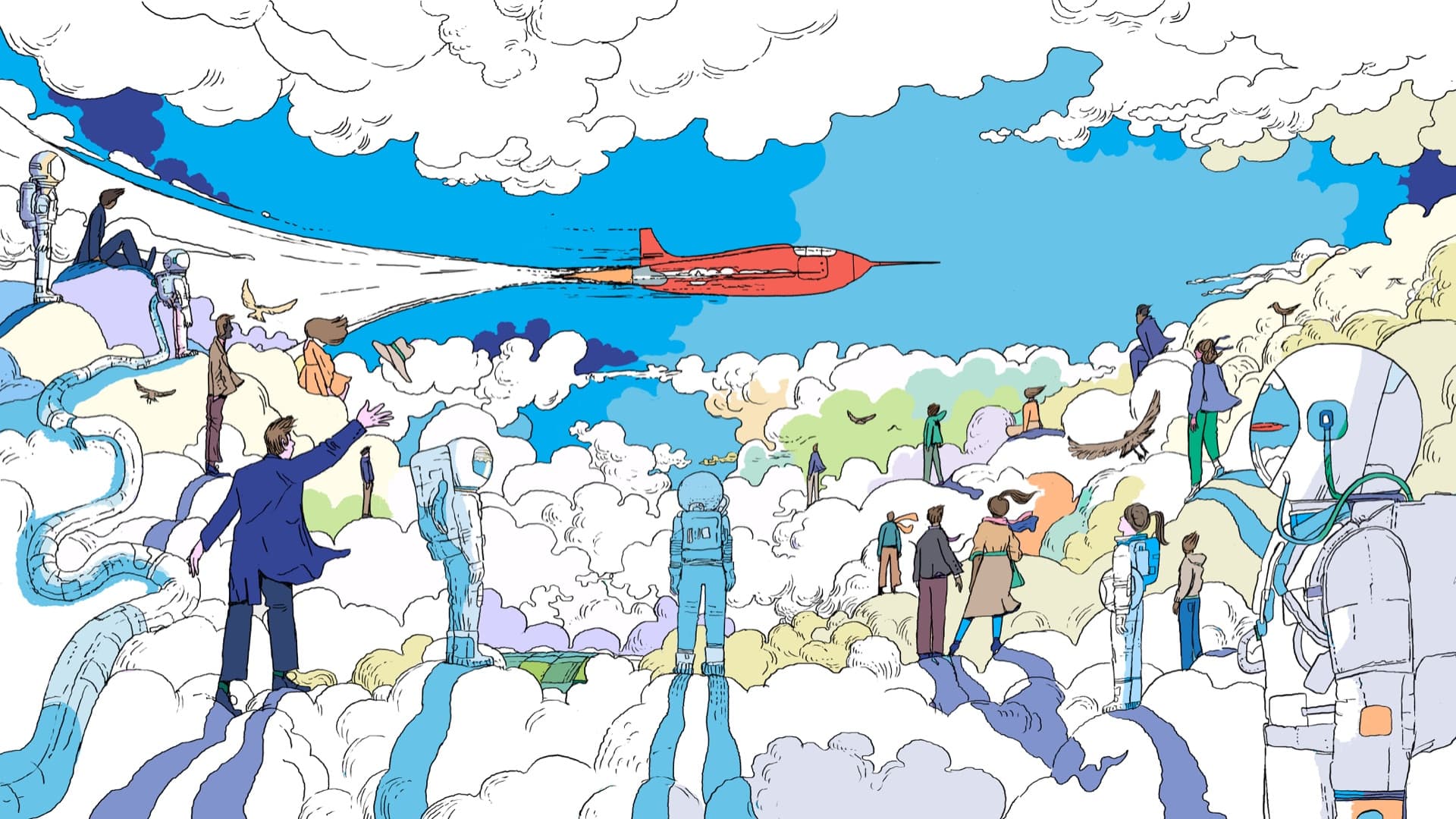
Odds:0%On October 14, 1947, Chuck Yeager rockets the Bell X-1 past Mach 1 over the Mojave. There is no wall and no jolt, only a sonic boom rolling across the desert. The sound barrier was never a barrier at all.
Illustration by Celyn for Kalshi
Will Humans Walk on the Moon?
Odds:0%No one has ever left Earth's orbit for another world. The lunar module has never landed anywhere real, and a speech mourning dead astronauts sits ready in case it fails. A quarter-million miles of vacuum lie between launch and the Moon.
“I do not foresee ‘spaceships’ to the moon or Mars. Mortals must live and die on Earth.”
We Walk on the Moon
Odds:0%On July 20, 1969, the Eagle lands in the Sea of Tranquility, and Neil Armstrong steps onto the surface before some 600 million watching on Earth. The crew plants a flag, gathers the Moon in their hands, and comes home alive.
Illustration by Ameesha Lee for Kalshi
Will a Half Million People Gather for a Music Festival?
Odds:0%Half a million young people pour onto a dairy farm built for a fraction of that crowd. The food runs out, the rain turns the fields to mud, and the press braces for a catastrophe.
“[It] had little more sanity than the impulses that drive the lemmings to march to their deaths in the sea.”
Three Days of Peace
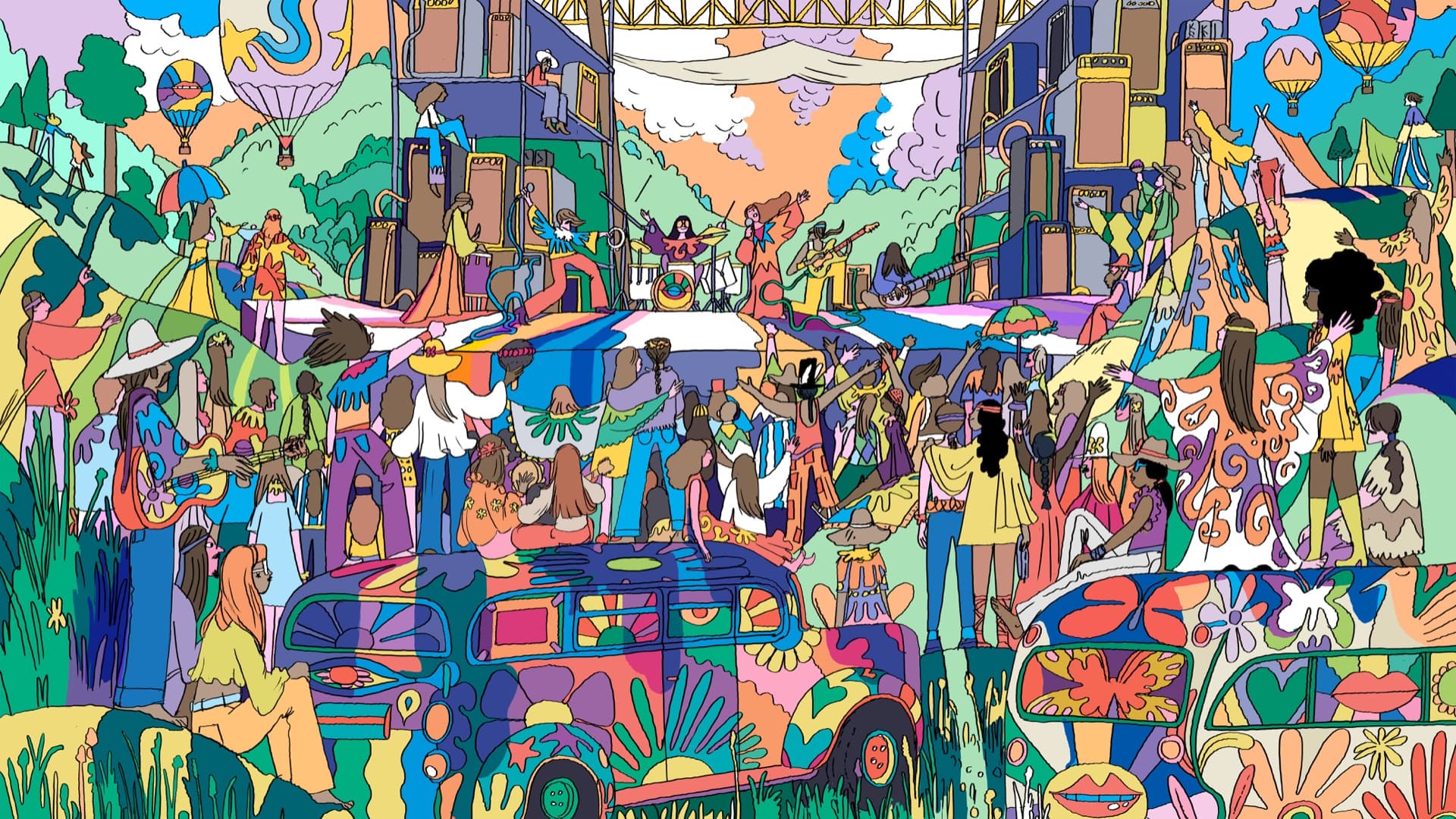
Odds:0%Over three rain-soaked days in August 1969, some 400,000 people share food, music, and mud with almost no violence. Woodstock becomes the symbol of a generation, and proof that half a million strangers could keep the peace.
Illustration by Celyn for Kalshi
Will Computers Successfully Talk to Each Other?
Odds:0%Computers are room-sized machines that work alone, and the idea of linking them strikes most as pointless. The first attempt to send a message between two of them is a long shot, and it crashes almost instantly.
“The first message ever sent crashed after two letters: LO.”
The Machines Speak
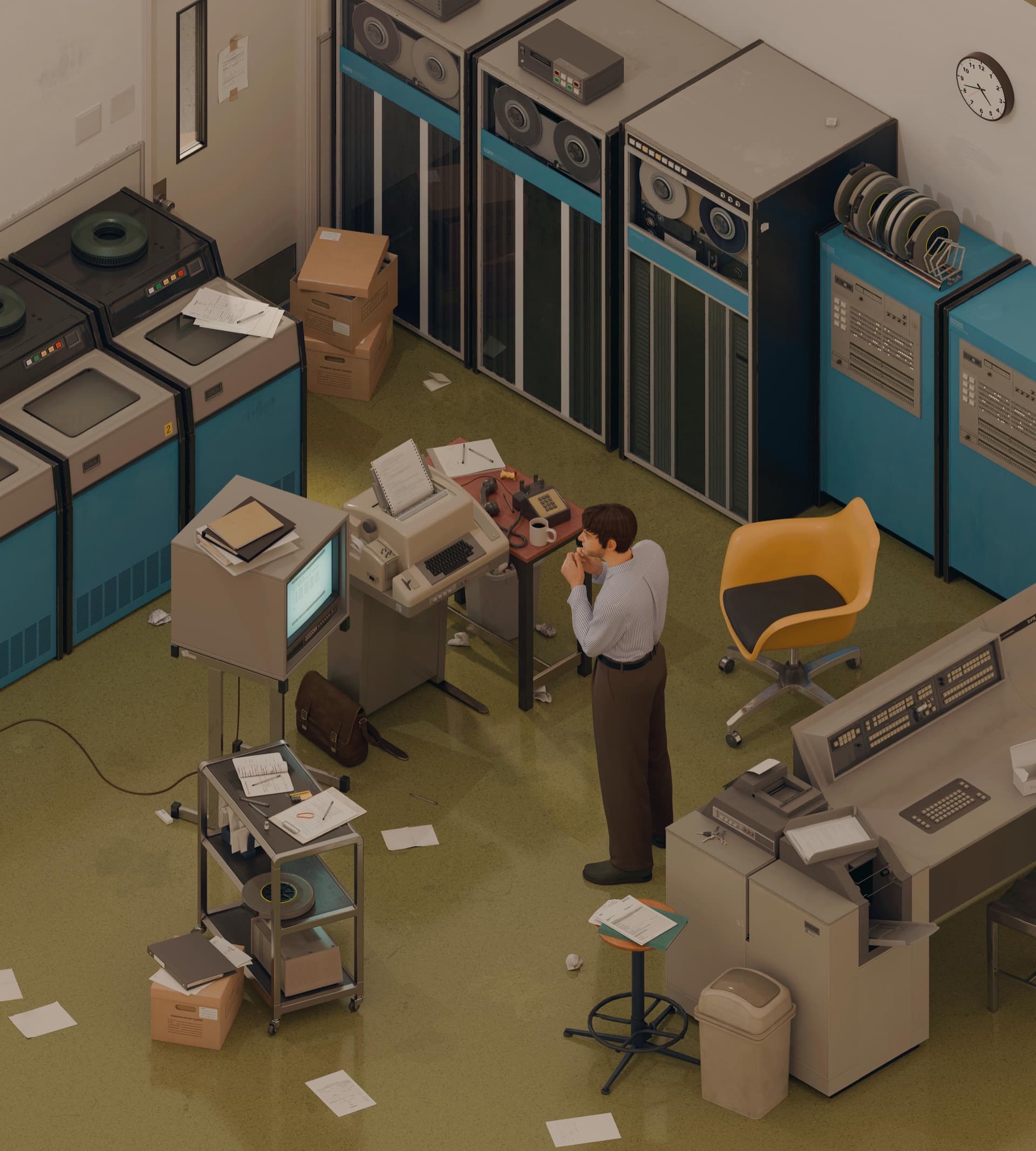
Odds:0%Late on October 29, 1969, a UCLA computer reaches one at Stanford. The link crashes after ‘LO,’ but an hour later the full message goes through. That fragile connection between two machines becomes the internet.
Illustration by Max Gunther for Kalshi
Will the US Men's Hockey Team Defeat the Soviet Union?
Odds:0%The Soviets have not lost an Olympic hockey game since 1968. Days before the puck drops, they rout the U.S. 10–3 in an exhibition. A roster of college kids against the greatest team ever built is written off as a mismatch.
“Unless the ice melts, or another team performs a miracle, the Russians are expected to easily win the gold.”
Do You Believe in Miracles?
Odds:0%On February 22, 1980, with ten minutes left, Mike Eruzione scores. The U.S. holds off the Soviets to win 4–3, then beats Finland for gold. A team of amateurs has just beaten the four-time defending champions.
Illustration by Martyn Pick for Kalshi
Will the Smartphone Change the World Forever?
Odds:0%A phone with no keyboard, at five hundred dollars, from a computer company that has never made one. Industry leaders are certain it is overpriced, impractical, and bound to flop.
“There's no chance that the iPhone is going to get any significant market share. No chance.”
The World Fits in a Pocket
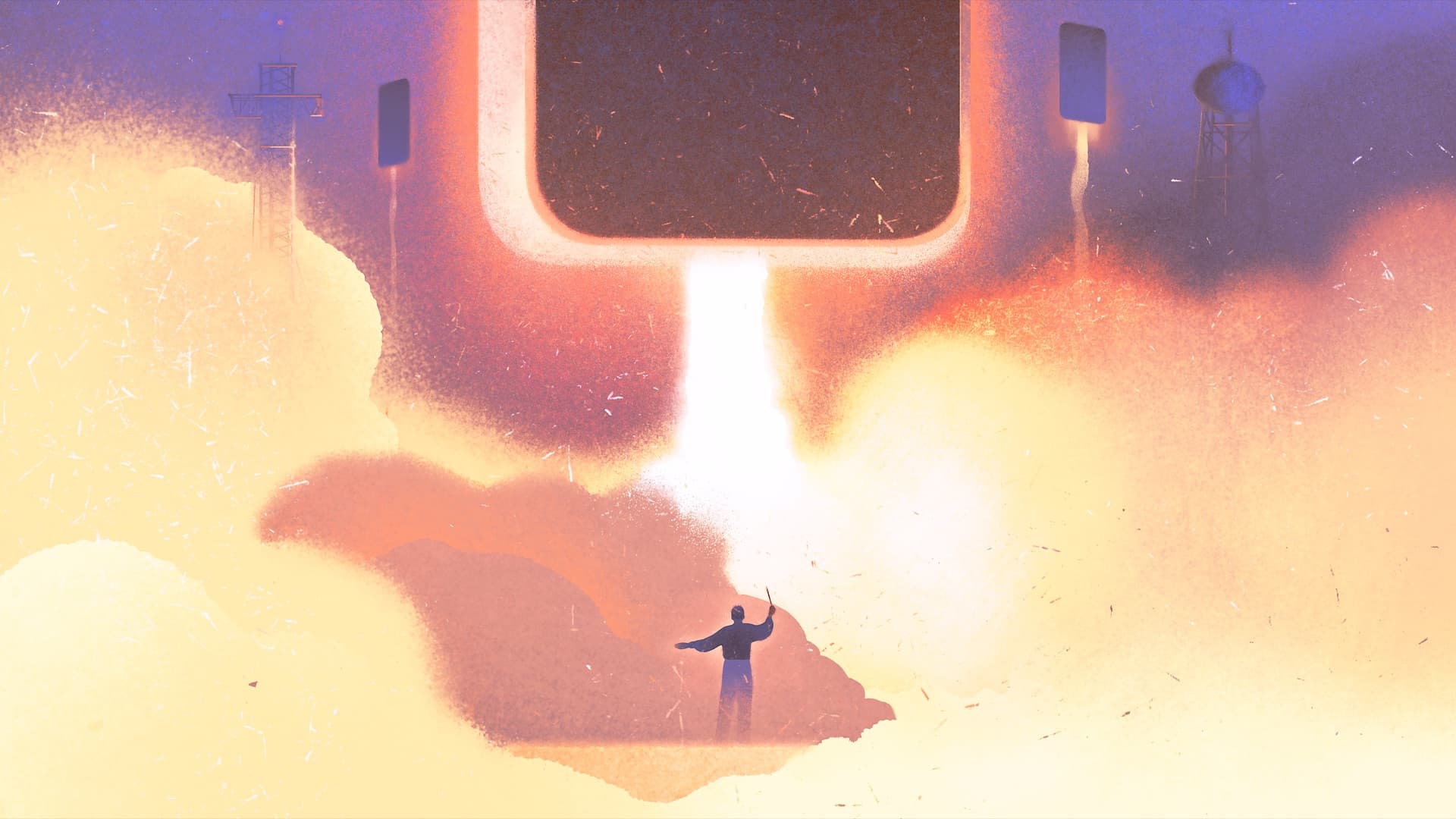
Odds:0%On June 29, 2007, Apple releases the iPhone. Within a decade more than a billion are sold, and the smartphone reshapes how the world communicates, works, and lives. The naysayers never stood a chance.
Illustration by Karolis Strautniekas for Kalshi


The story isn’t over